
Description
Coffee bags are more than just packaging,they are the first line of defense in preserving the freshness, aroma, and flavor of your coffee. Whether you’re a coffee roaster, retailer, or a home brewing enthusiast, choosing the right coffee bag impacts your beans’ quality, shelf life, and even brand perception. In this guide, we cover everything from types and materials to features, benefits, and emerging trends, helping you make informed decisions.
What Are Coffee Bags and Why They Matter
Coffee bags are specially designed coffee packaging bags used to store, transport, and sell coffee beans or ground coffee. They can range from simple kraft paper bags to high-tech foil laminate pouches with one-way degassing valves that maintain freshness.
Importance of Coffee Packaging
Proper packaging preserves flavor, aroma, and shelf life. Food Packaging Bags protect beans from moisture, oxygen, light, and heat, while functional features like resealable zippers and valves enhance convenience.
Coffee Bags vs Coffee Pouches
While “coffee bags” and “coffee pouches” are often used interchangeably, pouches usually refer to flexible, stand-up packaging, whereas bags can include flat-bottom, pillow, or quad-seal formats. Each type serves a different use case, from retail displays to home storage.
Types of Coffee Bags
Stand-Up Pouches / Doypacks
Stand-up pouches are popular for retail due to their upright design. They are often resealable and sometimes feature transparent windows to showcase coffee beans.
Flat-Bottom Bags
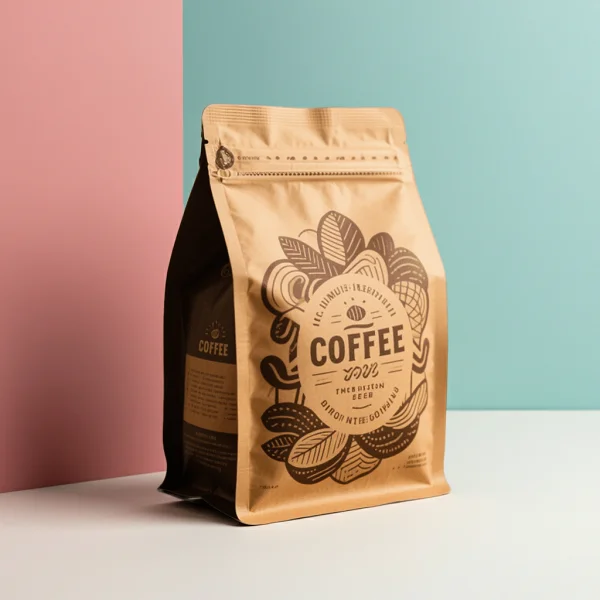
Flat-bottom bags are stable, stackable, and great for premium brands. They often support custom printing to enhance brand identity.
Side-Gusset / Back-Seal Bags
Side-gusset bags expand to hold more volume and are ideal for bulk coffee packaging. They are commonly used by roasters and wholesalers.
Pillow / Center-Seal Bags
Pillow bags are cost-effective and lightweight. While not as rigid, they work well for single-serve or small-batch coffee.
Tin Tie Coffee Bags
Tin tie bags are traditional, reusable, and ideal for small artisan brands. They allow customers to reclose the bag manually.
Single-Serve & Drip Coffee Bags
Single-serve and drip coffee bags cater to home brewing convenience. Perfect for travel, office, or sampling, they maintain freshness in individual portions.
Quad Seal / Four-Side Seal Bags
Quad seal bags offer maximum protection and can hold heavier volumes. They are often used in commercial roasting operations.
Coffee Bag Materials and Construction
Foil Laminates (PET/AL/PE)
Foil laminate bags are the industry standard for freshness. They protect against light, air, and moisture, and often include a degassing valve.
Kraft Paper Coffee Bags
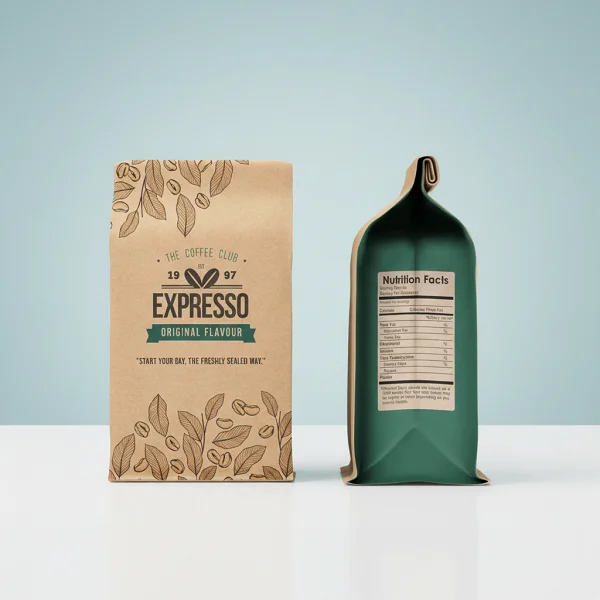
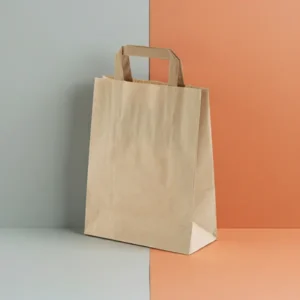
Kraft paper bags are eco-friendly and suitable for sustainable packaging initiatives. They are often paired with inner linings to improve freshness retention.
Biodegradable & Compostable Coffee Bags
These bags are made from plant-based materials and break down naturally, supporting environmentally conscious brands and eco-friendly coffee packaging strategies.
Mylar Coffee Bags
Mylar bags are durable and airtight, making them ideal for long-term storage and vacuum sealing.
Eco-Friendly Packaging Options
Sustainable materials, such as recycled kraft or biodegradable films, are increasingly popular among premium and conscious coffee brands.
Key Features of Coffee Bags
One-Way Degassing Valve
Degassing valves allow carbon dioxide from freshly roasted coffee to escape while preventing air from entering, maintaining freshness and aroma.
Resealable Zippers
Resealable zippers enhance convenience and reduce the need for additional storage containers.
Tear Notches & Easy Open Features
Tear notches simplify bag opening, improving user experience for home and retail customers.
Windows & Transparent Panels
Windows let consumers see the beans, enhancing trust and supporting premium branding.
Tin Ties & Manual Reclosure
Tin ties provide a traditional closure method for artisan and small-batch coffee bags.
How to Choose the Right Coffee Bag
Home Brewing vs Retail Distribution
Choose your bag type based on volume and audience. Home-use bags prioritize convenience, while retail bags focus on presentation and shelf appeal.
Matching Bag Type to Roast & Bean Type
Light roasts may benefit more from valve-equipped bags, while darker roasts may tolerate simpler packaging.
Choosing Size, Capacity, and Weight Formats
Decide between single-serve, 250g, 500g, or bulk bags based on consumer demand or distribution strategy.
Branding and Custom Printing Options
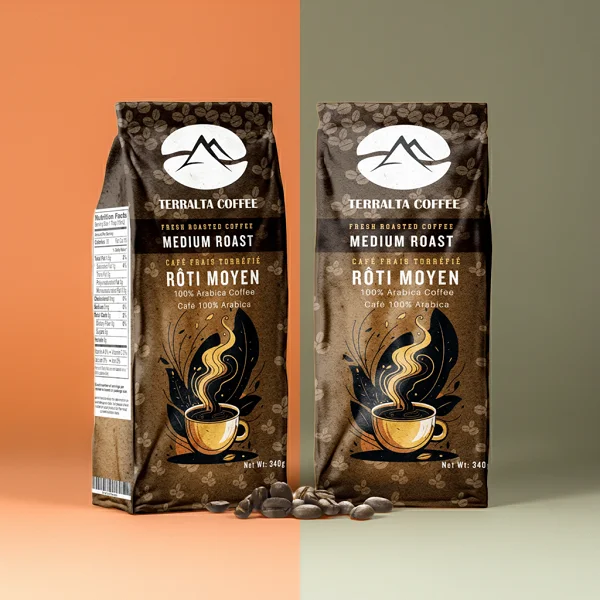
Custom printed bags enhance brand recognition. Consider colors, logos, typography, and premium finishes for differentiation.
Sustainability & Environmental Considerations
Eco-friendly bags can appeal to environmentally conscious consumers, helping your brand stand out while reducing environmental impact.
Benefits of Coffee Bags for Consumers and Businesses
Preserves Coffee Flavor and Aroma
High-quality coffee bags protect beans from oxygen, moisture, and light, keeping your coffee tasting fresh longer.
Extends Shelf Life
Packaging with valves, foils, or vacuum seals can significantly increase the shelf life of coffee.
Portability and Convenience
Resealable and compact designs make Custom Bags easy to transport and store.
Marketing & Brand Differentiation
Custom designs and premium packaging elevate brand perception and attract premium coffee consumers.
Cost-Effective Packaging Solutions
Bulk and standardized packaging help reduce costs, while maintaining coffee quality.
Trends in Coffee Packaging
Sustainable and Compostable Bags
Increasingly, brands are switching to plant-based or recycled materials, responding to consumer demand for eco-conscious packaging.
Minimalist and Premium Packaging Designs
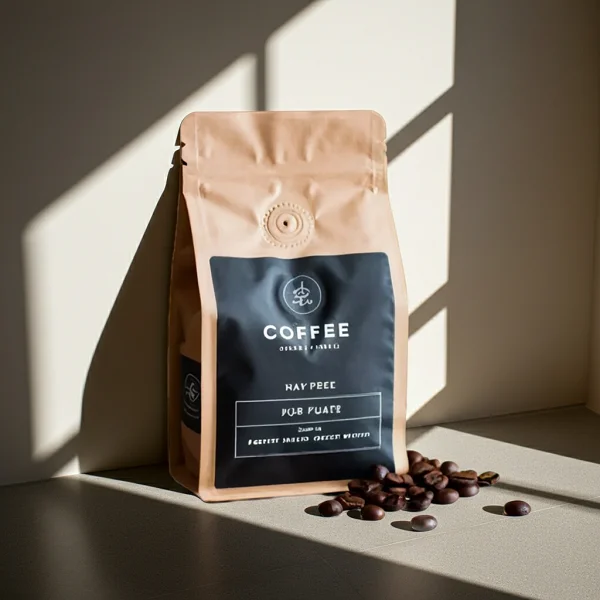
Sleek, simple designs with premium finishes are becoming popular to appeal to specialty coffee buyers.
Smart Packaging Innovations (QR codes, traceability)
Modern bags may include QR codes or NFC chips for traceability, enhancing consumer trust and engagement.


Reviews
There are no reviews yet.