
Description
Food Packaging Bags play a critical role in protecting, preserving, and presenting food products across the global supply chain. From manufacturing facilities to retail shelves, the right packaging ensures product safety, extends shelf life, and enhances brand visibility.
Modern flexible food packaging solutions combine advanced barrier materials, food-grade compliance, and high-impact printing to meet the demands of today’s food industry. Whether you are a food manufacturer, private label brand, distributor, or wholesaler, choosing the right food packaging bag directly impacts product quality and customer trust.
What Are Food Packaging Bags?
Food packaging bags are specially engineered flexible packaging solutions designed to store, protect, transport, and display food products safely.
Definition and Core Purpose
Food-grade packaging bags are made from materials approved for direct food contact. Their core purposes include:
- Preventing contamination
- Protecting against oxygen and moisture
- Blocking UV light exposure
- Preserving aroma and freshness
- Extending shelf life
They are widely used for dry foods, frozen goods, snacks, liquids, meats, dairy, and ready-to-eat meals.
Importance in the Food Supply Chain
Food Packaging Bags support every stage of the supply chain:
Manufacturing → Storage → Transportation → Retail → Consumer Use
Proper barrier protection reduces spoilage, improves hygiene, and ensures regulatory compliance. Businesses often pair functional packaging with Custom Branded Paper Bags to create a consistent and professional brand presence.
Flexible vs Rigid Packaging
Flexible packaging offers:
- Lower material usage
- Reduced shipping costs
- Better shelf efficiency
- Custom printing flexibility
- Resealable convenience
Compared to rigid containers, flexible food packaging provides better cost-efficiency and environmental performance.
Types of Food Packaging Bags
Different food categories require different packaging structures.
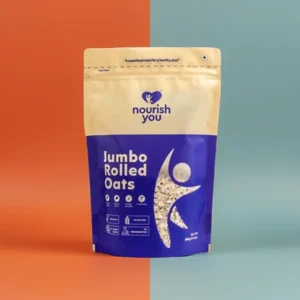
Stand-Up Pouches (Doypack)
- Self-standing bottom gusset
- High retail appeal
- Zipper resealable options
- Ideal for snacks, coffee, protein powders, dry foods
Flat Bottom Bags
- Box-style stability
- Premium shelf presence
- Higher filling capacity
- Suitable for pet food and bulk dry products
Side Gusset Bags
- Expandable sides
- Cost-effective for bulk packing
- Common for coffee and grains
Vacuum Seal Bags
- Removes oxygen
- Prevents bacterial growth
- Ideal for meat, poultry, seafood
Retort Pouches
- Heat-resistant multilayer structure
- Withstands sterilization processes
- Used for ready-to-eat meals
Ziplock & Resealable Food Bags
- Consumer convenience
- Multi-use functionality
- Suitable for snacks and frozen foods
Spout Pouches
- Designed for liquid or semi-liquid products
- Easy pouring and resealing
- Used for sauces, juices, baby food
Frozen Food Packaging Bags
- Cold-resistant materials
- Moisture protection
- Prevents freezer burn
Coffee Bags with Degassing Valve
- One-way valve releases carbon dioxide
- Preserves coffee freshness
- Protects aroma
Materials Used in Food Packaging Bags
Material selection determines barrier strength and shelf life.
Polyethylene (LDPE & HDPE)
- Excellent moisture resistance
- Flexible and durable
- Common for inner sealing layers
Polypropylene (PP & BOPP)
- High clarity
- Good moisture barrier
- Strong print surface
PET (Polyethylene Terephthalate)
- Strong oxygen barrier
- Heat resistance
- Often used as outer layer
Aluminum Foil Laminates
- Superior barrier against oxygen and light
- Extended shelf life performance
- Ideal for high-barrier food pouches
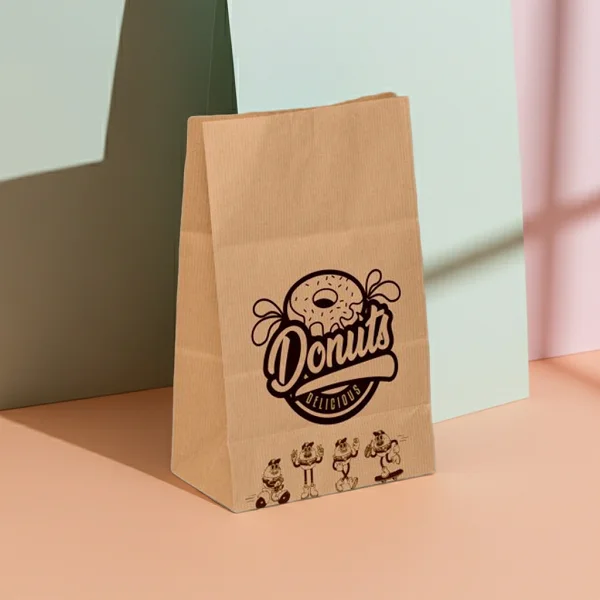
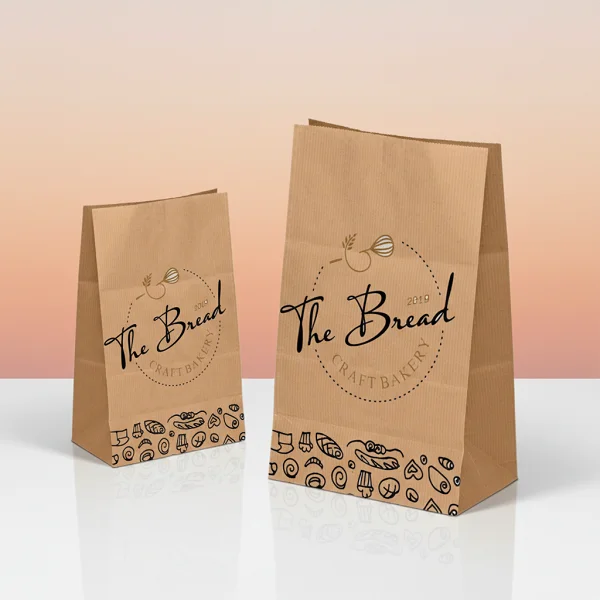
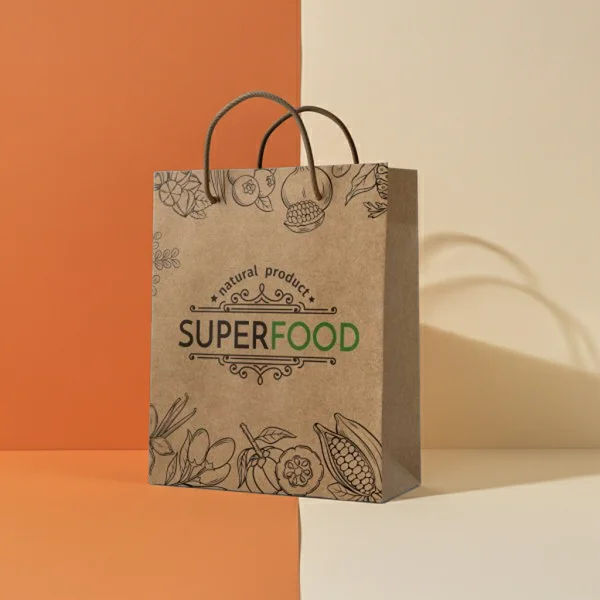
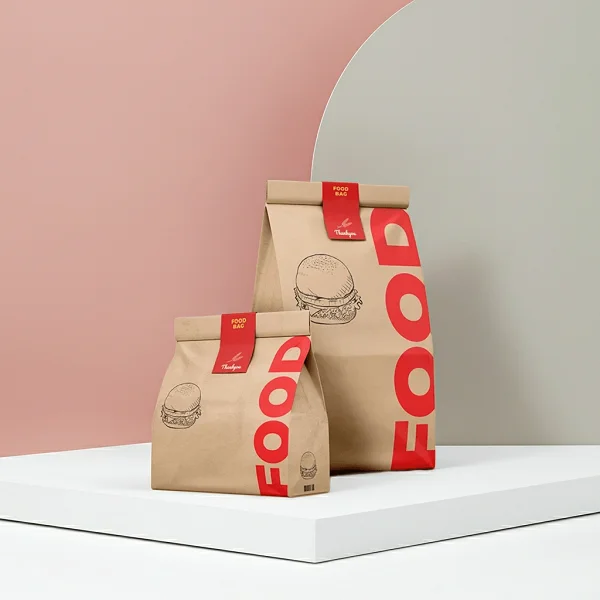
Kraft Paper
- Natural appearance
- Eco-friendly appeal
- Often laminated for added protection
Compostable PLA
- Plant-based material
- Industrial compostable
- Sustainable packaging option
Multi-Layer Barrier Films
Combining materials creates:
- Oxygen barrier film
- Moisture barrier packaging
- Aroma retention
- Puncture resistance
Food Safety Standards & Certifications
Compliance builds trust and market access.
FDA Food Contact Compliance
The FDA regulates food-contact materials to ensure safety in U.S. markets.
USDA Guidelines
The USDA provides packaging standards for meat and dairy products.
ISO Certified Manufacturing
The ISO certification ensures quality management systems in packaging production.
BRCGS Food Safety Certification
BRCGS ensures global food safety and packaging compliance.
BPA-Free & Migration Testing
High-quality food packaging undergoes:
- Chemical migration testing
- BPA-free verification
- Hygiene compliance audits
Barrier Protection & Shelf Life
Barrier performance determines product freshness.
Oxygen Transmission Rate (OTR)
Low OTR prevents oxidation and rancidity.
Moisture Vapor Transmission Rate (MVTR)
Controls moisture penetration, preventing sogginess or dryness.
Aroma Retention
Protects flavor integrity in coffee, spices, and snacks.
UV & Light Protection
Prevents nutrient degradation in light-sensitive products.
Shelf Life Extension
High barrier pouches significantly increase product stability during storage and distribution.
Custom Printed Food Packaging Bags
Brand visibility drives sales.
Flexographic Printing
- Cost-effective for large runs
- Suitable for wholesale food packaging
Rotogravure Printing
- High-resolution graphics
- Premium brand presentation
Digital Printing
- Low MOQ
- Fast turnaround
- Ideal for startups
Finishing Options
- Matte finish
- Glossy finish
- Metallic effects
- Transparent windows
Functional Add-Ons
- Zippers
- Tear notches
- Hang holes
- Degassing valves
Private Label & OEM Solutions
Custom food packaging bags can be manufactured with:
- Custom logos
- Brand colors
- Unique sizes
- Retail-ready designs
Sustainable & Eco-Friendly Food Packaging
Sustainability is reshaping the industry.
Recyclable Mono-Material Packaging
Designed for simplified recycling streams.
Compostable Solutions
Plant-based films reduce environmental impact.
FSC-Certified Paper
The FSC certification ensures responsibly sourced paper materials.
Reduced Plastic Usage
Lightweight flexible packaging lowers carbon footprint.
Sustainable Packaging Trends
- Minimalist designs
- Refillable packaging
- Circular economy solutions
Industry Applications
Food Packaging Bags serve multiple industries:
- Bakery & confectionery
- Meat & poultry
- Seafood
- Dairy products
- Snack & dry foods
- Coffee & tea
- Pet food
- Frozen foods
Each segment requires specific barrier and sealing solutions.
How to Choose the Right Food Packaging Bag
Selection depends on:
Product Type
Dry, liquid, frozen, or perishable foods require different materials.
Shelf Life Requirements
High barrier laminates extend product life.
Storage Conditions
Temperature, humidity, and transport impact packaging choice.
Branding Needs
Retail-focused products benefit from premium finishes.
Sustainability Goals
Eco-friendly packaging supports environmental responsibility.
Wholesale & Bulk Food Packaging Solutions
For B2B buyers:
- Low MOQ options
- Bulk pricing advantages
- Scalable production capacity
- Export-ready packaging
- Short production lead times
Working with a reliable food packaging manufacturer ensures consistent quality and regulatory compliance.
Comparison Table
| Bag Type | Best For | Barrier Level | Customizable | Retail Appeal |
| Stand-Up Pouch | Snacks | High | Yes | High |
| Vacuum Bag | Meat | Very High | Limited | Medium |
| Kraft Paper Bag | Bakery | Medium | Yes | Natural |
| Retort Pouch | Ready Meals | Very High | Yes | Medium |
Conclusion
Food Packaging Bags are more than simple containers they are engineered solutions that protect product integrity, ensure compliance, and enhance brand value. From high barrier laminates to eco-friendly materials and custom printed designs, the right packaging supports both safety and marketing objectives.
If you are looking for wholesale, custom, or private label food packaging solutions, partnering with an experienced manufacturer ensures quality, compliance, and long-term reliability.


Reviews
There are no reviews yet.